


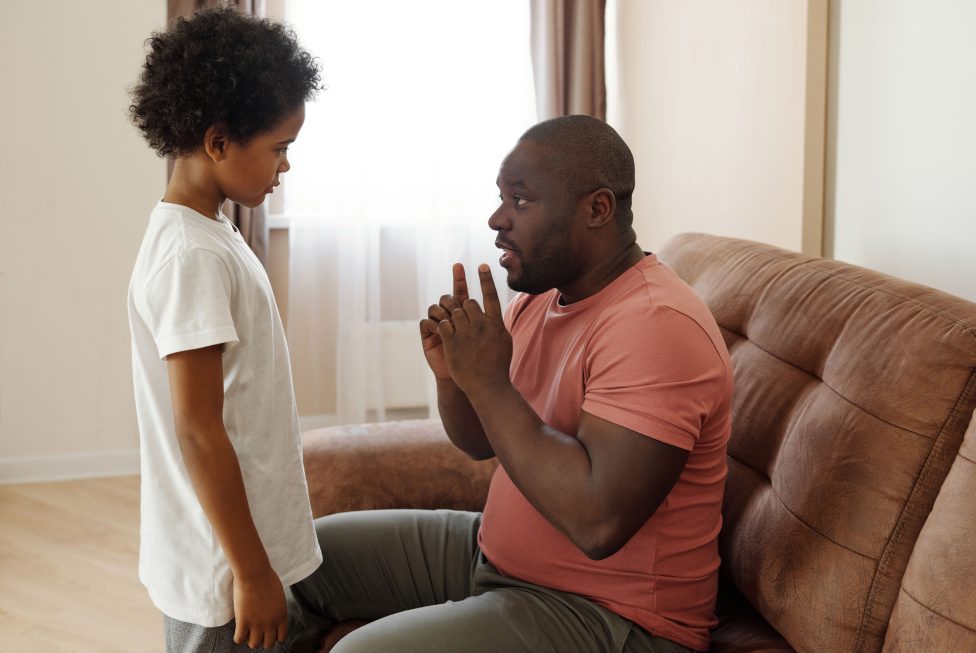
Watching your child struggle can feel confusing, especially when they don’t have the words to explain what’s going on inside. Kids rarely say “I’m anxious” or “I’m not okay” — instead, what you notice is a change in behavior: trouble sleeping, falling grades, sudden irritability, orpulling away from things they used to love.
None of these signs alone mean something is seriously wrong. Kids have hard days and hard weeks, just like adults do. But if you’re noticing a pattern that’s lasting longer than a few weeks, or that’s starting to affect their daily life, it’s worth paying closer attention — and it’s okay to reach out for support even if you’re not sure yet whether it’s “serious enough.”f psychologists identify warning behaviors, they can share the safety concerns with the patient and explore the possibility of voluntary hospitalization. If a patient is a danger to themselves or others but does not agree to this, then psychologists are usually required to break patient confidentiality and pursue involuntary hospitalization, said Gibson.
You don’t need to have it all figured out before getting help. Getting support early, while your child is still building their sense of self and their coping skills, can make a lasting difference in their confidence and emotional well-being. It doesn’t mean something is wrong with your child — it means you’re giving them tools they’ll carry for life.
At Serenity Path Psychiatry, care for children age 12 and younger is gentle, age-appropriate, and built around the whole family, delivered
securely via tele-health so your child can talk from a space where they already feel safe. If you’re noticing any of these signs, book an appointment to start the conversation.